
- Menu
- Desks
- Seating
- Tables
- Customer Service
- 1.888.719.4960
Both feel fine for a thirty-minute demo in a showroom. The difference shows up during hour five at your desk. Here's what actually separates these two back styles so you can choose without guessing.
Quick Verdict
For most people in most offices, the mesh back chair is the stronger all-day performer — it keeps your back cooler, contours dynamically as you shift position, and holds up well in shared and high-use environments. A foam or upholstered back chair is the better pick when you prefer a cushioned feel against your spine, run cold, or want an aesthetic that reads more like traditional upholstered furniture. Either can work — but know which problem you're actually solving before you commit.
| Feature / Factor | Mesh Back Chair | Foam Back Chair |
|---|---|---|
| Back Construction | Stretched or framed mesh — breathable and flexible | Foam-filled upholstered back — cushioned and fixed |
| Approx. Weight | 30–55 lbs | 35–65 lbs |
| Best For | Long-day desk workers who want airflow and active spinal support | Users who prefer a softer, more cushioned feel against the upper back |
| Main Advantage | Temperature comfort — back breathes and stays cooler during long sessions | Cushioned seated impression with a broader range of fabric and finish options |
| Main Trade-Off | Leaner feel — less cushioned for users who prefer plush upholstery | Retains more heat and can look bulkier in compact or modern workstations |
| Lumbar Support | Often pairs with visible lumbar systems and adjustable arms | Excellent when internal contouring is engineered correctly |
| Maintenance | Easy to wipe clean — practical in shared offices | Fabric and foam require more attention over time |
| Visual Profile | Contemporary and breathable | Warmer and more furniture-like |
| Durability | Mesh doesn't compress or sag — frame joints are the main wear point | Depends on foam density — lower-density foam can compress over time |
| Long-Term Value | Very strong for everyday office use and shared seating | Good when comfort preference and design flexibility lead the decision |
The back of an office chair has two jobs: support your spine and manage heat. A mesh back handles both by letting air circulate through the woven or knit surface while the suspension tension of the mesh contours lightly to the shape of your back as you sit. The result is a back that moves with you and doesn't trap heat — which matters a lot over a full workday in an office that's even mildly warm.
A foam back does the opposite in terms of airflow — the upholstery creates a seal against your back, which builds heat over time. Where it compensates is in the initial feel: foam cushion has a soft, yielding quality that many people associate with comfort. The key word is "initial." How that foam feels at the end of day one and how it feels at the end of year two depend entirely on the foam density and the quality of the internal structure. Low-cost foam backs compress and lose their shape. Higher-density foam in a well-engineered chair holds up much longer — but you need to pay attention to the spec, not just the surface material.
Mesh back chairs are the default recommendation for most active office environments — open plans, call centers, regular task seating — because they keep people comfortable across a full shift without the heat buildup that upholstered backs create. They're also easier to clean and maintain in shared environments, where spills, varying users, and high turnover put more stress on upholstery.
If you're specifying chairs for multiple workstations at once, mesh backs also tend to look more consistent across a floor — they have a clean, contemporary profile that works whether the office aesthetic is traditional or modern. And because the mesh itself doesn't wear out the way foam does, the per-year cost of ownership is generally very competitive.
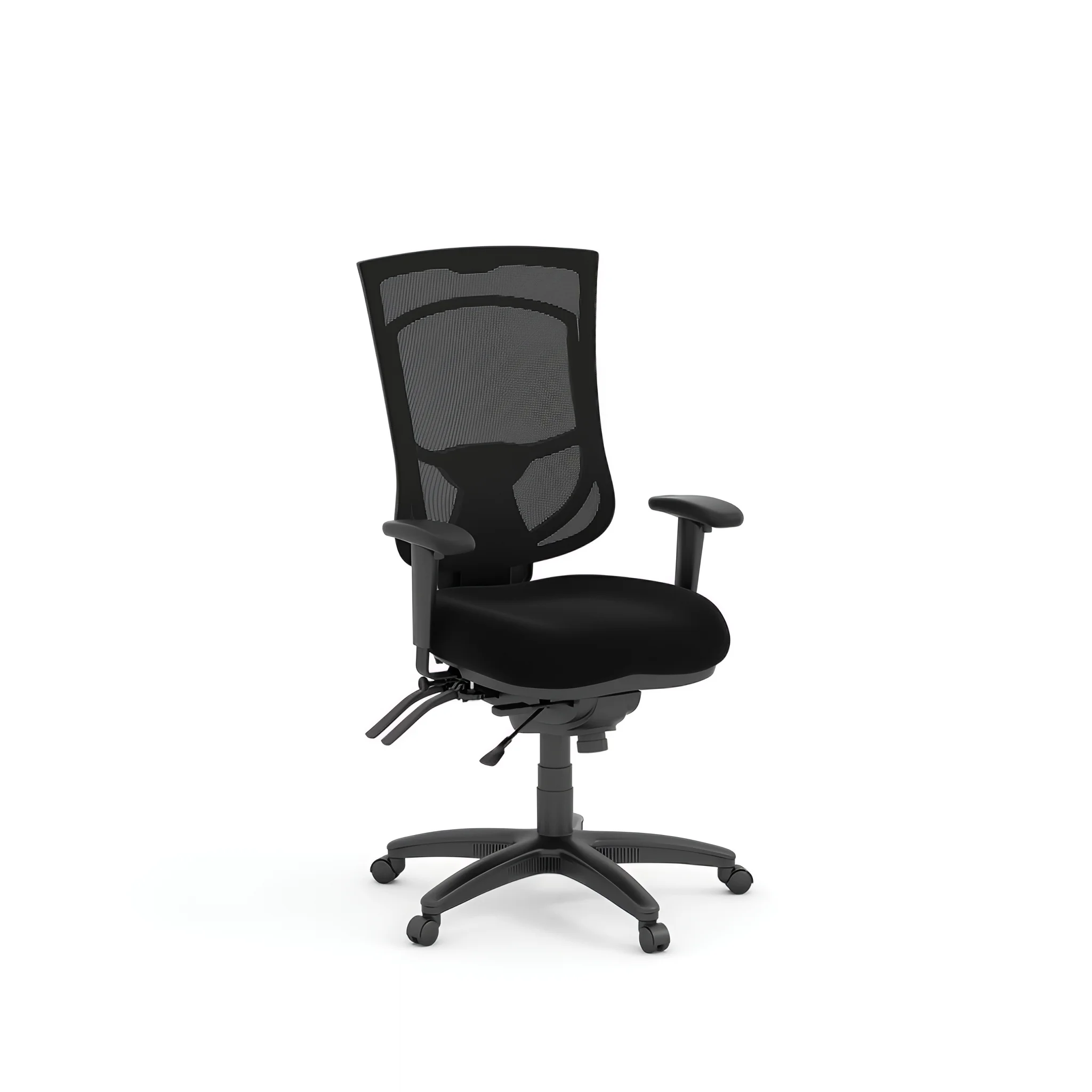
Ergonomic Task Chair Mesh Back Seat by PBD Furniture
View & OrderFoam back chairs make the most sense when the primary preference is cushioned comfort against the spine — particularly if the user runs cold, works in a cooler office environment, or simply finds the firm suspension of a mesh back unsatisfying. They're also a natural fit in executive seating applications where the fuller, more upholstered profile is part of the design brief.
The important thing is to verify the lumbar spec before you order. A foam back with a well-engineered molded lumbar contour and an adjustable height mechanism will genuinely support your lower back for extended sessions. A foam back with only decorative tufting and no structural lumbar feature looks polished but won't hold up for someone working eight-hour days. Don't judge by the surface — read the ergonomic features list.
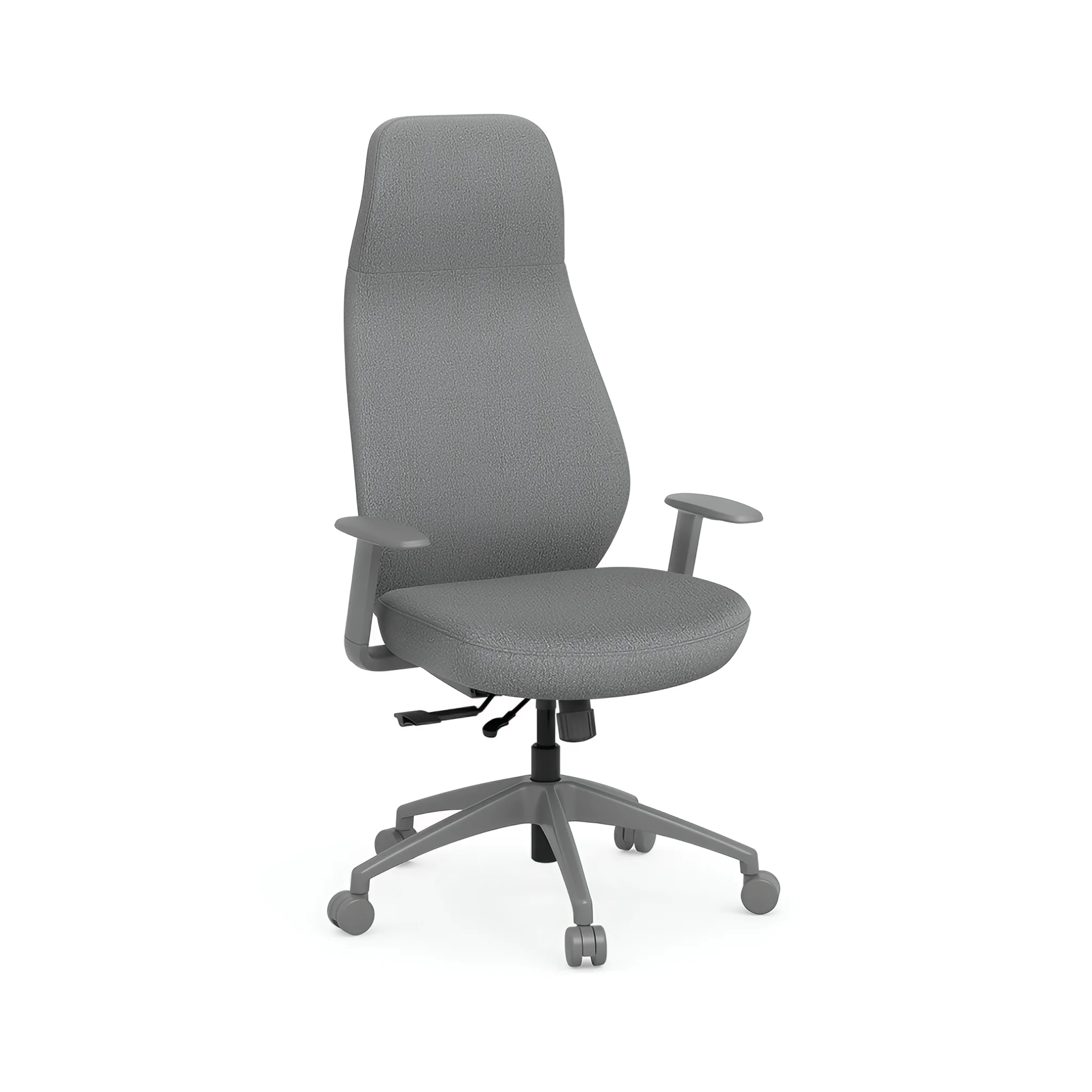
Foam Back Task Chair by PBD Furniture
View & OrderMesh and foam back chairs occupy similar price ranges — most quality commercial models from both camps are comparably priced at each tier. The real value question is how the chair performs over several years of daily use. A mesh back that stays breathable, wipes clean easily, and maintains its tension over time competes well against a foam back that starts to compress and look worn after two or three years of heavy use.
If you're buying for a single user in a private office, personal preference matters most and you can afford to choose based on comfort feel. If you're specifying across multiple workstations, think about maintenance burden, upholstery wear in shared-use situations, and how the chairs will hold up when multiple people use the same seat over time. Free shipping at FindOfficeFurniture.com keeps the full cost clean — what you see is what you pay.
For most offices and most daily users, the mesh back chair delivers more consistent comfort over a full workday and holds up better across shared or high-use environments. A quality foam back chair is a genuine contender when cushioned comfort, a warmer aesthetic, or specific ergonomic preferences are driving the decision — just make sure the lumbar spec is functional, not decorative. Browse all office seating at FindOfficeFurniture.com or give us a call and we'll help you find the right fit for your office and your team.
Shop Seating at FindOfficeFurniture.comFor most people working in climate-controlled offices, a quality mesh back chair is more comfortable over a long workday because it keeps your back cooler. Foam and upholstered backs trap heat against your spine, which creates discomfort over extended sessions that most people attribute to the chair itself rather than the temperature issue. A good mesh back also contours dynamically as you move, supporting your spine through different sitting positions. That said, some people genuinely prefer the cushioned feel of foam — if you run cold or sit in a cool office, foam may feel better to you personally.
Mesh backs rely on tension and suspension — the mesh stretches under your weight and contours to your back. The best mesh backs pair this with a structural lumbar curve built into the frame, providing consistent lower back support regardless of posture shifts. Foam backs provide cushion, but the support depends on how the foam is engineered and whether a lumbar contour was molded into the shape. Low-density foam can compress over time and lose its support. High-density foam in a well-designed chair holds up much better — but you'll pay more for that quality.
Quality mesh — particularly woven or knit mesh on a solid frame — holds up very well in commercial environments. The mesh itself doesn't compress or sag the way foam can, and it's easy to wipe clean. The main wear point on mesh chairs is typically the frame joints and cylinder, not the mesh itself. Foam and upholstered backs can wear unevenly at the edges and lumbar contact point, and upholstery is more susceptible to staining and tearing in high-traffic shared seating environments. In terms of long-term durability for office use, quality mesh chairs generally have the edge.
Not necessarily, though the association is common. Foam back chairs upholstered in bonded leather or premium fabric have traditionally been associated with executive seating because they look more furniture-like and substantial. But plenty of high-end task chairs with mesh backs look just as polished in a private office. If the executive is in that chair for eight hours, a mesh back that keeps them cooler and moves with them is often a better call than a plush foam back that looks impressive but runs warm.
Yes — many well-designed foam back chairs include a molded lumbar contour, an adjustable lumbar pad, or both. The key is looking past the surface material and examining the ergonomic spec. A foam back chair with a molded lumbar zone, adjustable height, and proper tilt tension can provide excellent support for daily use. Avoid models where the only lumbar feature is a decorative button-tufted shape — those are aesthetic, not functional. Look for models where the lumbar position actually adjusts to your lower back height.